
Why brands need a sports sponsorship specialist in their corner


I want to describe a room to you. On one side of the table is a brand. Marketers, good instincts, a budget they've fought hard for internally, and a genuine belief that sport could do something for them. On the other side is a code or a club. They do this every week. They know exactly what every asset is worth, what they can give away and what they'll never move on, and what a brand tends to ask for versus what it should be asking for.
That's not a fair negotiation. And it's the reason a lot of sponsorship deals look fine on signing and can underdeliver for years.
I've spent 30-odd years across events and sport, the last 10 working directly with brands, and I now spend my days sitting between the two sides of that table.
Here's what I've learned about why the brands who bring someone into their corner tend to come out ahead.
The person across the table negotiates these deals for a living
A brand negotiates a major sponsorship once every few years. The code or club on the other side does it constantly, which is where the imbalance starts.
They have a rate card, a sense of what the market will accept, and a very clear idea of which rights they'll protect. None of that is out of the ordinary. It's their job, and they're good at it. The challenge can lie in the brand's understanding of the nuances of a contract. When one side has done this a hundred times and the other side is doing it for the first time in years, the experienced side sets the terms. Not because anyone is being taken advantage of, but because you don't know what you don't know. You don't know that a particular right is usually included, or that a category exclusivity you assumed you had actually needs to be spelled out, or that the number you were quoted has more give in it than you'd think.
Most of the value in a sponsorship is decided in the contract detail, not the headline number
The price you agree is the part everyone focuses on. The agreed benefits underneath it are where the partnership is actually won or lost.
What's included and what costs extra. Which rights you control versus which you only appear to. What happens if a marquee player is injured, or transfers, or the season is disrupted. How renewal works, and whether you have first right to your own position when the deal ends or whether a competitor can take an adjacent asset and effectively sit next to you.
A typical example of a grey area as a benefit listed - $50K Digital Package, without seeing a digital rate card which is unique to each Club, it's impossible to assess the value of the Digital Package.
These details don't feel urgent when you're excited about a partnership. They become very urgent in year two, when something you didn't account for is now costing you. Someone who has been through this many times reads a contract for what isn't in it, not just what is.
A good specialist protects the relationship, not just the terms
The brands who get the most from sport are the ones with a genuinely good relationship with the property they've partnered with. That means a deal negotiated hard enough to be fair, but not so hard that it sours the partnership before it starts.
Here's something people don't expect me to say: I'm not there to squeeze the code. If a deal leaves the code feeling burned, that partnership begins on the back foot, and it shows in how much they lean in when it matters. Part of my job is getting a fair deal for the brand while keeping the relationship warm enough that both sides actually want it to work. That balance is hard to strike when you're on one side of the table with something to prove. It's a lot easier when there's someone independent in the middle whose only interest is the deal being right.
Independence is the whole point of having someone in your corner
An independent sports advisor doesn't work for any code, which means the advice you get is matched to your objectives rather than to a relationship on the advisor's side.
I'm not incentivised to steer you toward one property over another. I sit independently between the brands and the codes, so when I tell you a particular deal is the right one, it's because it fits your brand, not because it suits mine. That's the difference between a specialist in your corner and a salesperson for one code, or a generalist agency running sponsorship as a line item. The job is to make sure the brand walks away with the right deal, on fair terms, in a partnership that's set up to last.
If sport is on your radar and you're weighing up a deal, the question isn't whether you can negotiate it yourself. Of course you can. The question is whether you can do it as well as the person who does it every week for a living, while also protecting the relationship you'll depend on for the next three years.
That's the gap I sit in. Happy to talk any time about whether it's a gap you would like me to help fill for your brand.
Rebecca Hughes is the founder of The Sports Agency AU, a Sydney-based sponsorship consultancy connecting brands with the power of sport.
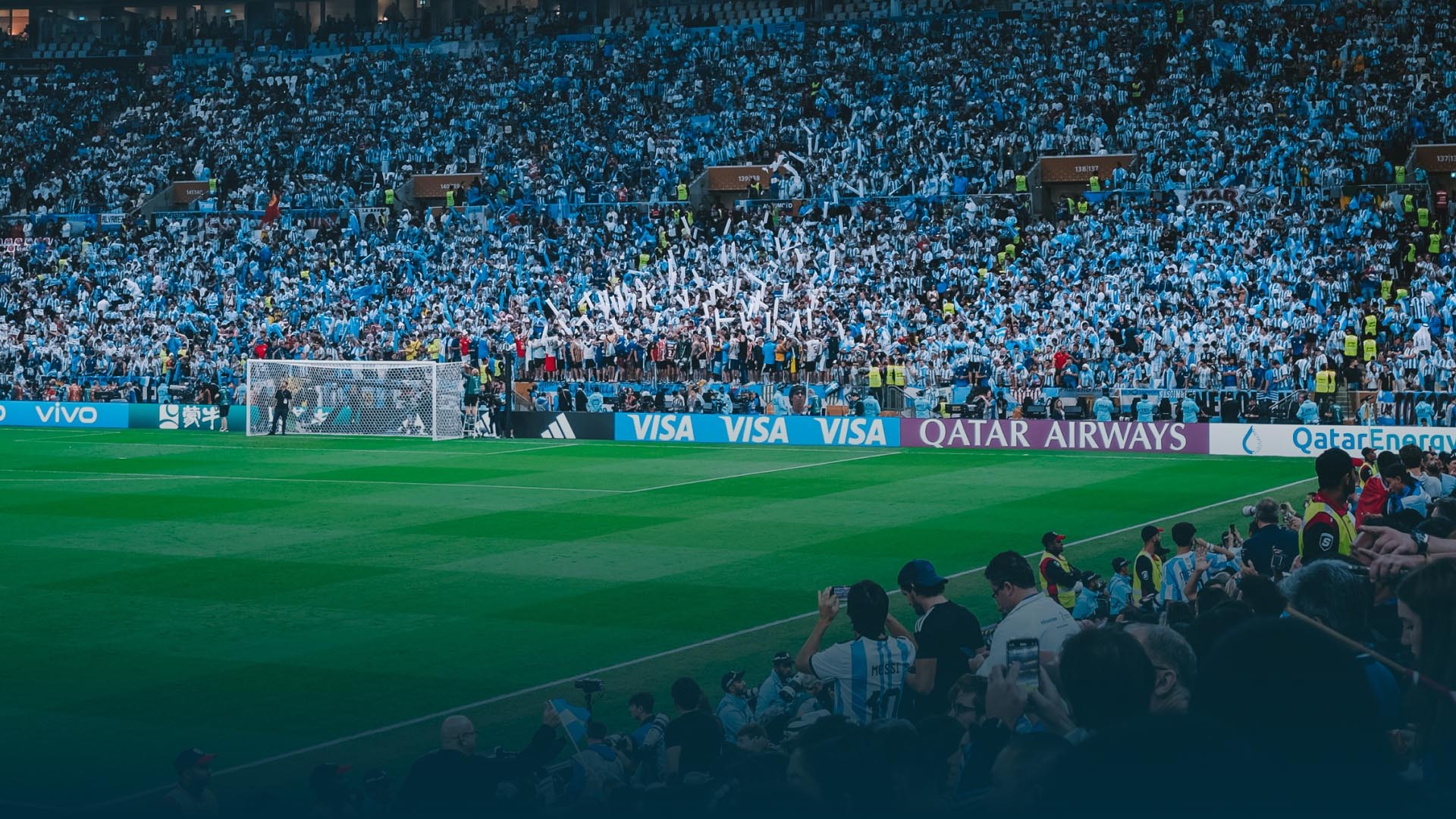
Customising sponsorships for the right fit: Where a specialist can help
Why brands need a sports sponsorship specialist in their corner

Is sports sponsorship in your growth strategy? Here's why it should be.