
Is sports sponsorship in your growth strategy? Here's why it should be.


With the new financial year in full swing, budgets are locked, plans are signed off, and most marketing teams are heads-down on delivery.
My question: is sport in your plan? And if it isn't, was that a decision - or did it just not come up?
I've spent more than 30 years working across brand marketing, events and sponsorship, and I now spend my days sitting between the sporting codes and the brands who want a piece of them. I can tell you the brands that get the most out of sport are rarely the ones with the biggest budgets. They're the ones who moved early, asked the right questions, and had someone in their corner who knew how the game works.
Here are four things worth knowing about sport sponsorship as FY27 gets underway.
The sporting calendar doesn't care about your financial year
Sponsorship isn't like a campaign. You can't just brief it in one quarter and implement it the next.
The best assets - jersey positions, naming rights, category exclusivity - are limited by nature. There is one front-of-jersey. There is one naming rights partner. When they're gone, they're gone, often for multiple seasons. Right now, clubs and codes are already in conversations about next season and beyond. The brands who wait until the season is on TV to start thinking about it are choosing from what's left over.
If sport sponsorship is even a possibility for your brand in FY27 and beyond, the conversation needs to start now. Not to create urgency - but because a front-of-jersey that's been taken is taken until that contract ends, and that can be three years away.
Sponsorship buys you something media can't
In my conversations with brands, the same theme comes up: attention is expensive and fragmented.
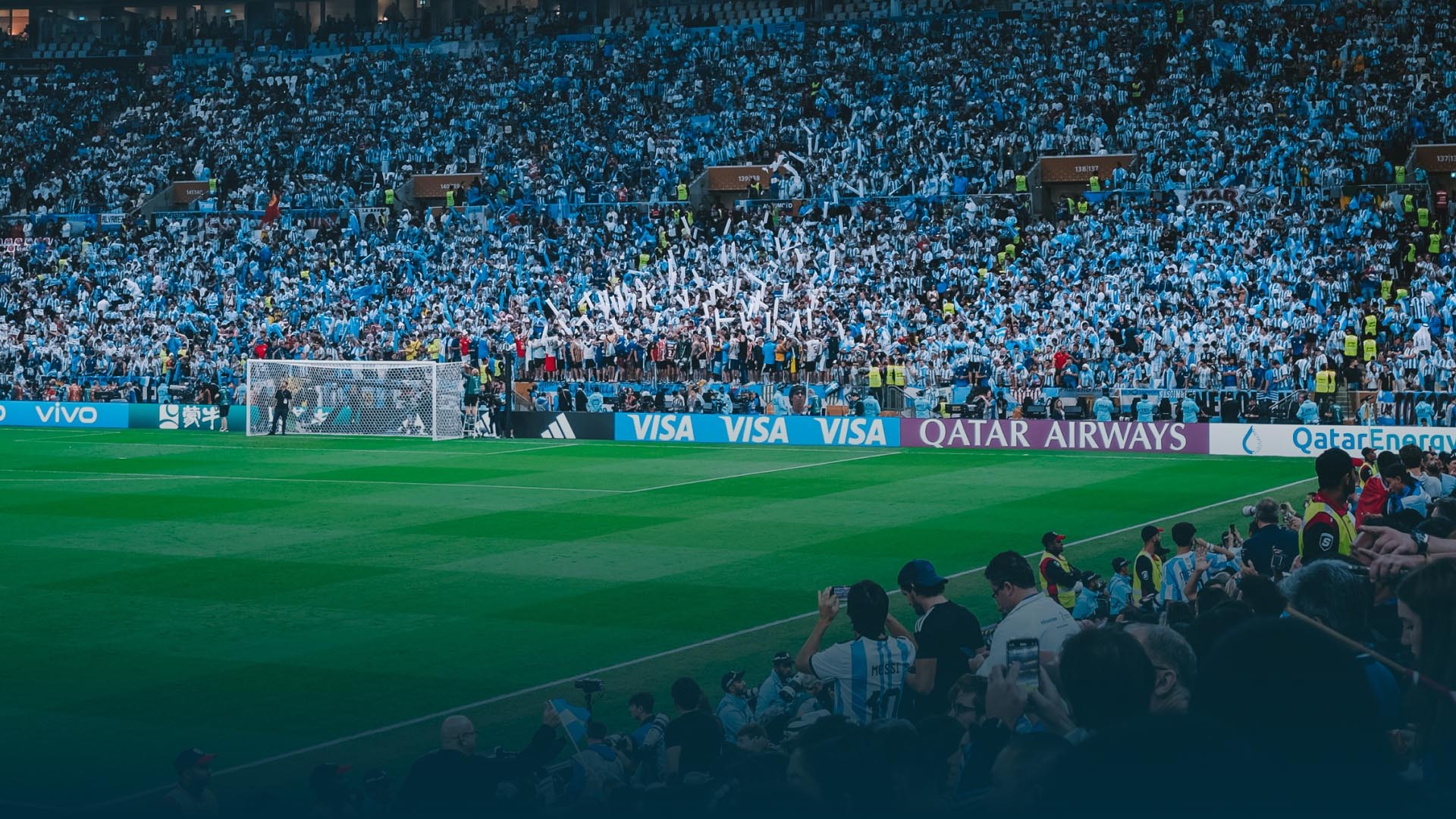
Sport is one of the only places where audiences show up in enormous numbers, live, emotionally invested, week after week. Fans don't skip the game. When a brand shows up properly in that environment - contributing something to the thing fans love, rather than just hanging a logo on it - some of that loyalty transfers. That's borrowed trust, and it builds every year a brand stays in.
That's also why it goes wrong when it's treated as a badge. A logo on a jersey with no plan behind it is the most expensive sticker you'll ever buy. The value is in what you build around the rights: the activations, the content, the hospitality, the story.
The deal is where the value is won or lost
This is the part nobody sees from the outside.
A sponsorship contract is not a rate card. What's included, what's excluded, which rights you control, what happens when a player is injured or a season is disrupted, how renewal and exclusivity work - these details decide whether a partnership performs or quietly underdelivers for three years.
The codes negotiate these deals every week. Most brands do it once every few years. That's not a fair fight, and it's not a criticism of anyone's marketing team - it's just not their day job. It is mine. I know what the clubs can flex on, what a fair market rate looks like, and where the traps are, because I've sat on both sides of that table for a long time.
You shouldn't pay for a deal that doesn't happen
Here's how I work: I don't charge a retainer. I work with a brand from strategy through to a signed agreement, and I'm paid a commission when the deal is done.
I structure it this way deliberately. I don't get paid unless you sign something you're happy with, which means I've got no reason to drag out a process or talk you into a deal that isn't right.
It also means I'm selective. I take on brands who have a budget set aside and someone senior ready to make the call, because my time is my investment in the outcome. When I take a brief, I back it completely.
For brands, that's an easy conversation: there's no cost to explore whether sport fits, and fees only ever attach to a deal you've chosen to sign.
If sport sponsorship for your brand is on your radar - even loosely - the smartest thing you can do this month is have the conversation early, while the good options are still on the table.
I'm always happy to talk through what's possible, what's realistic for your marketing budget, and whether sponsorship is even the right play for your brand.
Sometimes the honest answer is that it isn't - and I'd rather tell you that upfront.
Rebecca Hughes is the founder of The Sports Agency, a Sydney-based sponsorship consultancy connecting brands with the power of sport.
Learn more about The Sports Agency here: https://www.thesportsagency.com.au/
Customising sponsorships for the right fit: Where a specialist can help

Why brands need a sports sponsorship specialist in their corner
Is sports sponsorship in your growth strategy? Here's why it should be.